
Water Containers
The Best Water Storage Solutions For Your VW Camper Van
Aug
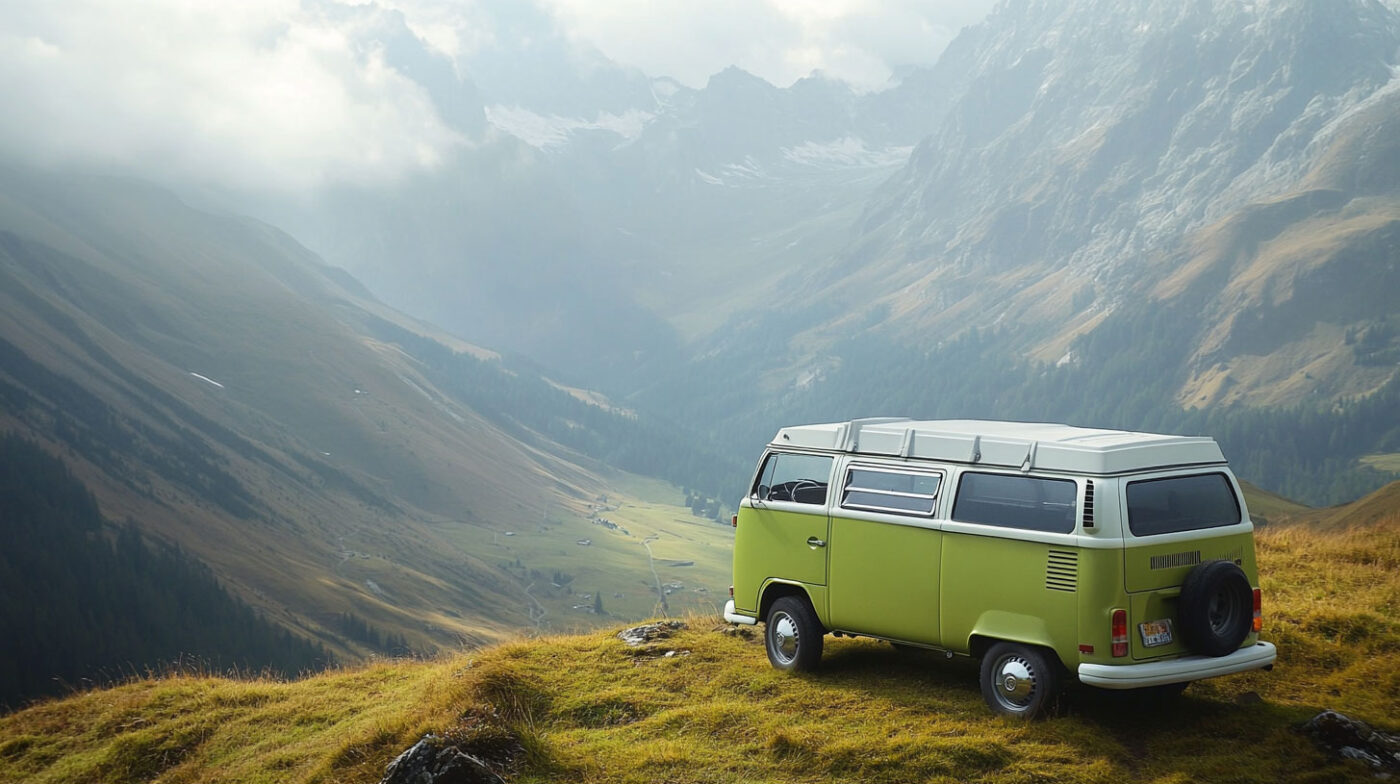
The Volkswagen campervan has long been associated with freedom, travel, and life on the open road. For decades, it has appealed to adventurers, creatives, and explorers alike, becoming more than just a vehicle – it represents a way of travelling that prioritises experience over destination.
Beyond its distinctive design and cultural legacy, however, the campervan is built to be practical. When travelling far from campsites or facilities, access to water quickly becomes essential – whether for drinking, cooking, or simple everyday tasks. To meet this need, many Volkswagen campervans are equipped with an onboard water storage system.
These systems vary depending on the model and era. Some campervans feature fully integrated water tanks with pumps and taps, offering a surprisingly functional setup for life on the road. Others rely on simpler solutions, such as removable containers or storage space designed to hold portable water canisters. While the technology is relatively straightforward, it serves a vital purpose: providing reliable access to clean water wherever the journey leads.
Understanding how these water systems work – and how to maintain or upgrade them – is an important part of making the most of campervan travel. Whether you’re embarking on a weekend trip or an extended adventure, a dependable water supply is key to comfort, safety, and self-sufficiency on the road.

Capacity & Time
| VW Campervan Model | Fresh Water Tank Capacity | Waste Water Tank Capacity | Estimated Duration (Typical Usage) |
|---|---|---|---|
| VW California (Modern) | 30 liters (8 gallons) | 30 liters (8 gallons) | 2-3 days for two people |
| VW Transporter (T5/T6) Conversions | 10-50 liters (2.5-13 gallons) | Varies based on conversion | 1-7 days for two people (depending on capacity) |
| Classic VW Campervans (e.g., VW T2, T3) | 10-20 liters (2.5-5 gallons) | Varies based on customisation | 1-2 days for two people |
Whether you’re parked in a remote Scottish glen or tucked into a small campsite in Cornwall, a reliable water supply can make the difference between comfort and inconvenience. Access to clean water allows you to prepare hot drinks, cook meals, and stay hydrated – all fundamental to enjoying life on the road.
While a Volkswagen campervan may not offer luxury features, it does address one of the most important practical needs of travel: dependable access to water. This simple provision plays a key role in maintaining comfort, self-sufficiency, and enjoyment throughout the journey, allowing you to focus on the experience rather than the logistics.
Recommendations For Extra Drinking Storage
Once you’ve got your Volkswagen campervan ready for the road, one practical consideration quickly comes into focus: how to store enough drinking water for your journey. When travelling away from campsites or facilities, having a reliable water supply is essential. This is where portable water storage containers become an important part of campervan life.
10-Litre Water Storage
When it comes to water storage, there are several common container sizes to choose from – typically 10-litre, 20-litre, and 25-litre options – each suited to different types of trips.
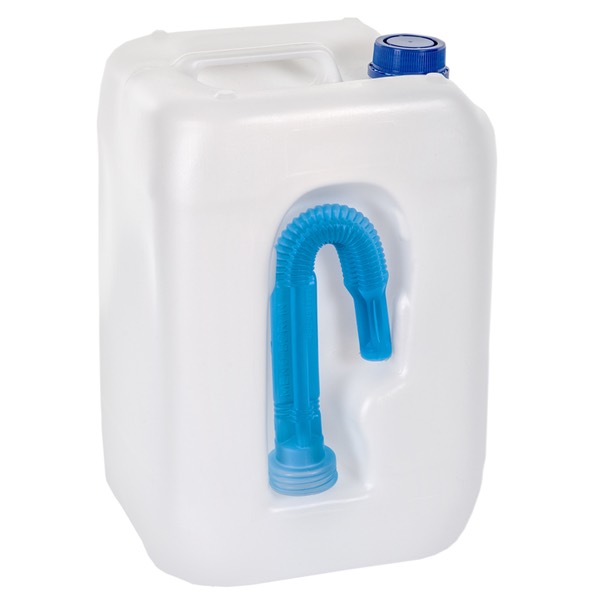
The 10-litre water container is the most compact option, making it ideal for short trips, solo travellers, or weekend getaways. Its smaller size makes it easy to carry, simple to store, and well suited to the limited space inside a campervan. It can be conveniently tucked into cupboards or corners without taking up valuable living space.
However, while a 10-litre container offers excellent portability, its capacity is limited. For longer journeys or trips involving multiple people, it may require frequent refilling – particularly if the water is used for cooking, washing up, or basic hygiene. In these cases, a larger container may offer greater convenience.
20-litre water storage
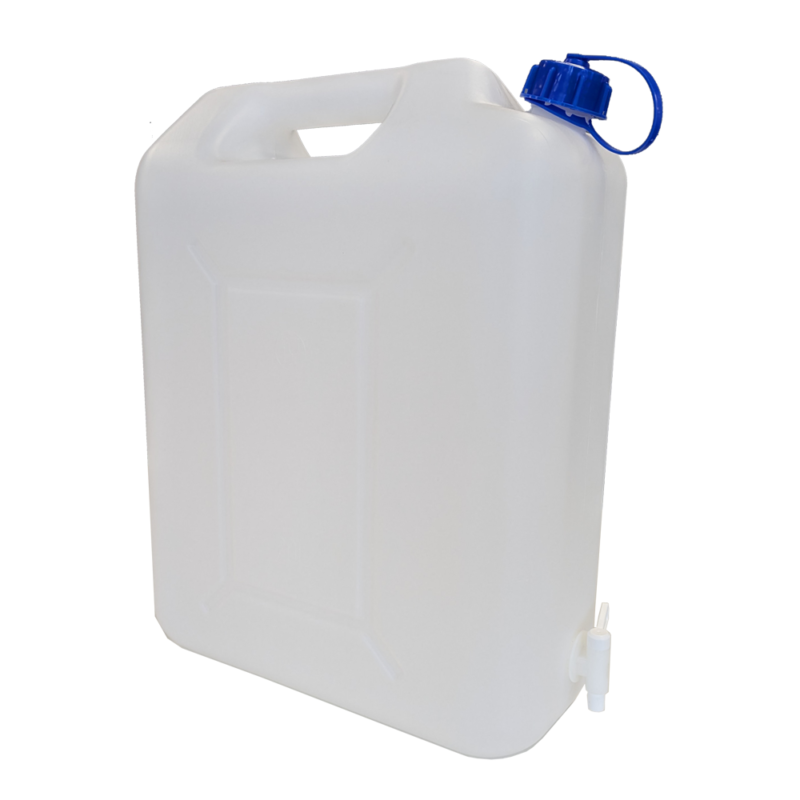
Step up to the 20-litre container, and things start to get interesting. This size strikes a decent balance between capacity and convenience. It’s still manageable enough to move around, but holds double the water, giving you enough to last a few days before you need to think about refilling. For most people, this is the sweet spot—plenty of water, but not so much that you’re sacrificing precious space in your camper.
25-litre water storage
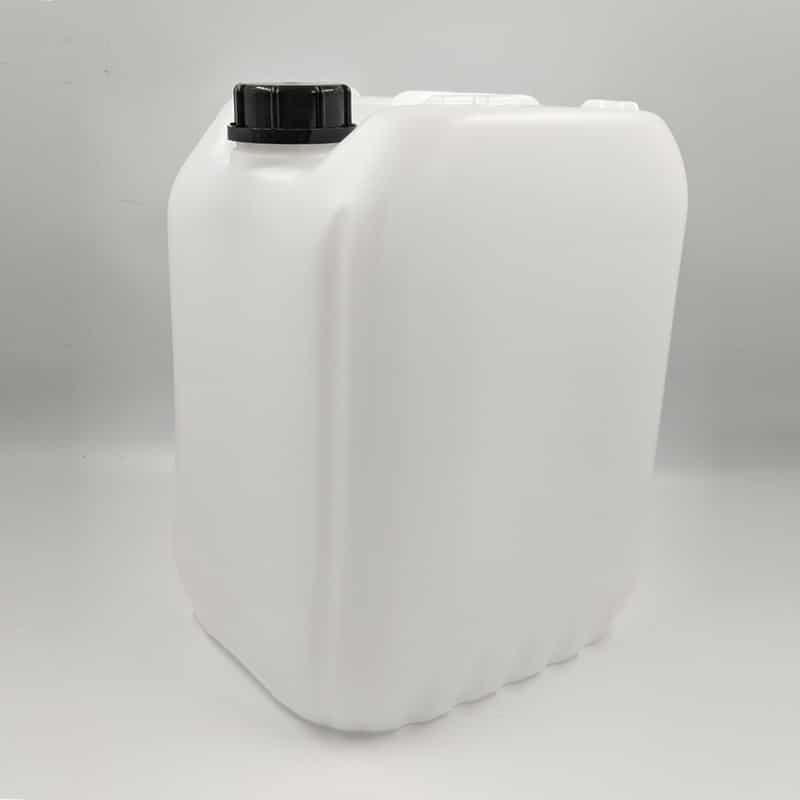
The 25-litre water container is best suited to longer trips or those travelling with multiple people. Its larger capacity provides a reliable water supply for extended periods, making it ideal for cooking, washing, and general day-to-day use when access to refilling points may be limited.
The main consideration with a 25-litre container is weight. When full, it can be more difficult to lift and manoeuvre, and it requires a secure, well-planned storage space within the campervan. However, for those prioritising self-sufficiency and fewer refills on longer journeys, the added capacity often outweighs these practical challenges.
So, which option works best for a Volkswagen campervan? For many travellers, a 20-litre water container offers the most balanced solution. It provides enough capacity to comfortably support a couple of days on the road, without becoming difficult to handle or taking up excessive space inside the vehicle.
Another key advantage of 20-litre containers is the inclusion of integrated tap systems. These allow for controlled, convenient access to water, making everyday tasks such as washing dishes, filling a kettle, or basic personal hygiene far more practical. Rather than simply storing water, these containers are designed to make it easy to use.
Overall, a 20-litre water container with a built-in tap strikes an ideal balance between capacity, portability, and usability. For campervan owners looking for a dependable and practical water storage solution, it remains one of the most versatile and popular choices for life on the road.
